How to Prevent Frozen Pipes This Winter
Published December 28, 2025 • by ABC Plumbing
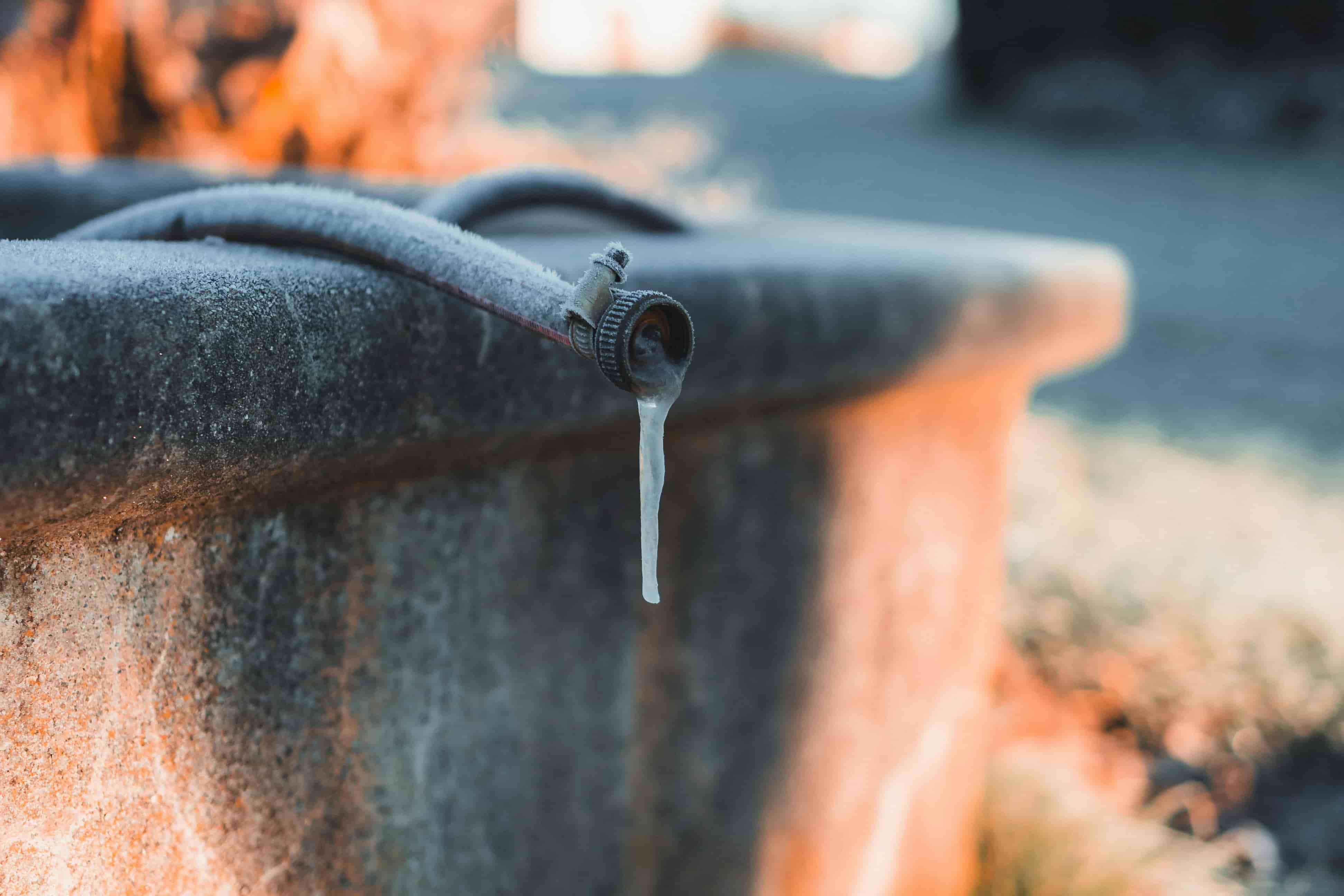
While Texas winters are mild compared to northern states, we do get freezing temperatures that can wreak havoc on unprepared plumbing. A burst pipe can release hundreds of gallons of water, causing thousands of dollars in damage. Here's how to protect your home.
Why Do Pipes Freeze and Burst?
Water expands when it freezes. When water inside a pipe freezes, it creates pressure between the ice blockage and the closed faucet. This pressure can cause the pipe to burst—not at the frozen spot, but somewhere along the line where pressure builds up.
Pipes most at risk include those in unheated areas like attics, garages, and crawl spaces, as well as pipes along exterior walls with little insulation.
Before the Cold Hits: Preparation Steps
Insulate Exposed Pipes
Use foam pipe insulation on pipes in unheated areas. Pay special attention to pipes in the attic, garage, and under sinks on exterior walls.
Disconnect Outdoor Hoses
Remove hoses from outdoor faucets and drain them. If you have shutoff valves for outdoor faucets, close them and open the outside valve to drain any remaining water.
Know Your Main Shutoff
Make sure everyone in your household knows where the main water shutoff valve is. In an emergency, you'll need to turn it off quickly.
Seal Cracks and Gaps
Check for gaps where pipes enter your home and seal them with caulk or insulation. Cold air can freeze pipes surprisingly fast.
During a Freeze: What to Do
When temperatures drop below 32°F:
- •Let faucets drip: A slight drip keeps water moving and relieves pressure if ice forms.
- •Open cabinet doors: Let warm air reach pipes under sinks on exterior walls.
- •Keep the heat on: Maintain at least 55°F, even if you're away.
- •Open the garage door: If you have water lines in the garage, let some heat in during extreme cold.
If Your Pipes Freeze
If you turn on a faucet and only a trickle comes out, you likely have a frozen pipe. Here's what to do:
- Keep the faucet open so water can flow once the pipe thaws
- Apply heat to the frozen section using a hair dryer, heat lamp, or towels soaked in hot water
- Never use an open flame or propane heater
- Check all faucets—if one pipe freezes, others may too
- If you can't locate the frozen area or can't thaw it, call a plumber
Emergency: If a Pipe Bursts
Immediately shut off the main water supply to your home. Then call ABC Plumbing for emergency service. Move valuables away from the water and document damage for insurance.
Long-Term Solutions
If you have recurring problems with frozen pipes, consider these permanent solutions:
- Relocate exposed pipes to heated areas
- Install electric heat tape on vulnerable pipes
- Add insulation to walls containing pipes
- Upgrade to frost-proof outdoor faucets
Worried About Your Pipes?
ABC Plumbing can inspect your home for vulnerable pipes and install insulation or heat tape before winter hits. We also offer 24/7 emergency service if the worst happens.